MX Labs
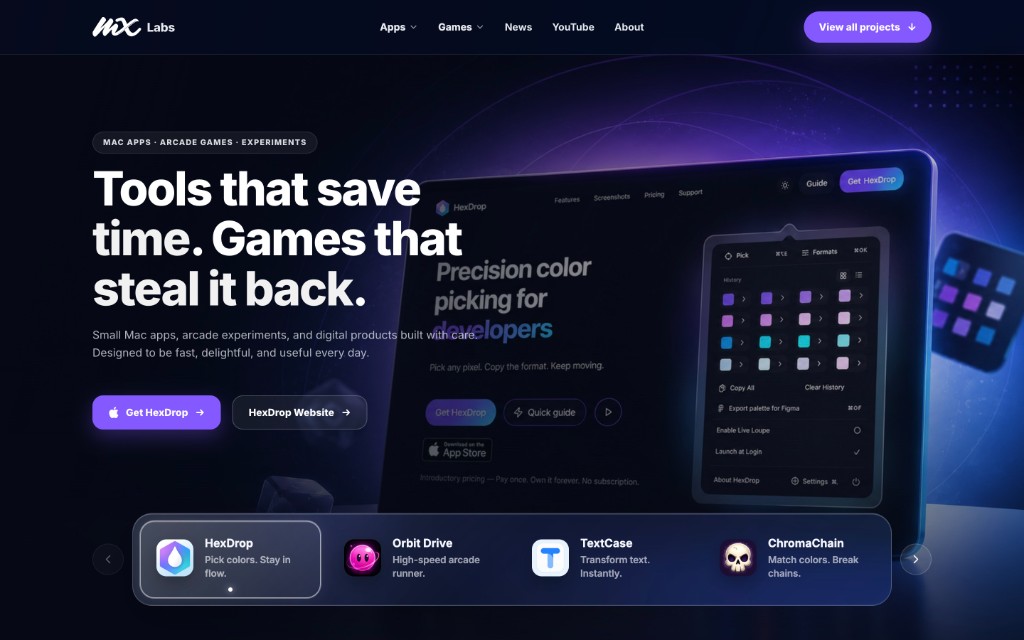
Studio hub for Mac apps, games and experiments — polished, fast and easy to maintain.

Lightweight websites · $0 hosting
For many small businesses, consultants and service companies, the website has one main job: look professional, explain the business clearly and turn visitors into inquiries. That does not always require WordPress, plugins or a monthly hosting plan.
Custom design. Responsive build. Your own domain. Professional forms and analytics when needed. The hosting layer simply stays lightweight enough that the ongoing hosting cost can be $0.
How it works
Traditional sites often include a database, CMS, plugins and a server running around the clock. That makes sense when you need those things. If you don't, I can build the site as a lightweight static website and deploy it on modern infrastructure with no recurring hosting charge.
This is still a custom website project — brand, structure, messaging, responsive layouts and the details that make the site feel like yours.
No CMS, database or pile of plugins unless there is a real reason for them. The result is a smaller, cleaner website with fewer moving parts.
You keep your own domain and the site works like any other professional website. You are simply not paying every month for a traditional hosting account you may not need.
Built this way already
The best way to understand the offer is to look at the result. These are normal, custom-designed websites — the difference is mostly in what you are not paying for behind the scenes.
Studio hub for Mac apps, games and experiments — polished, fast and easy to maintain.
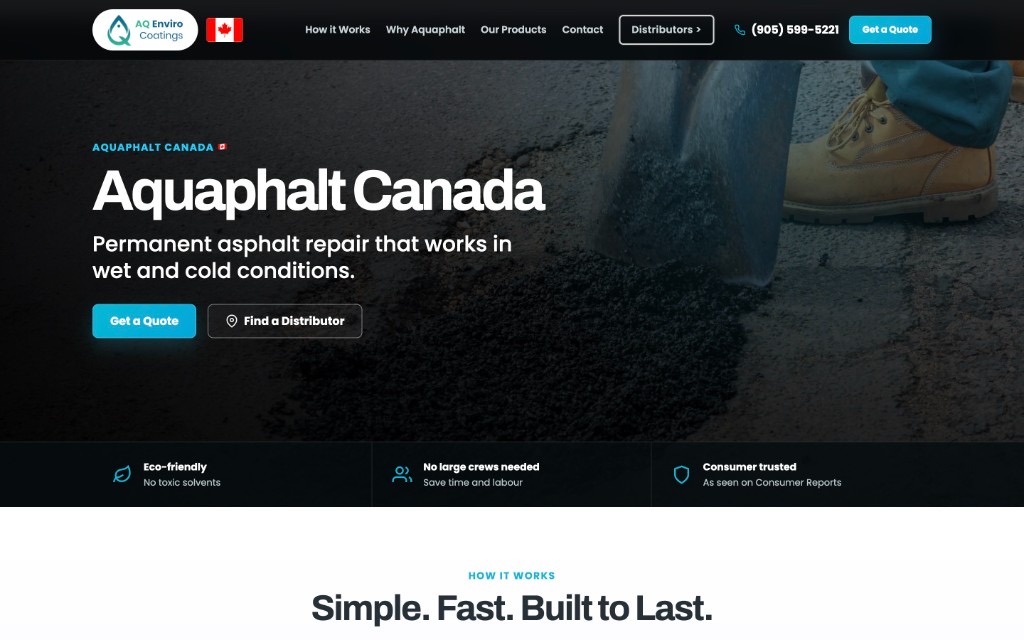
Product marketing with clear distributor paths and quote-focused calls to action.
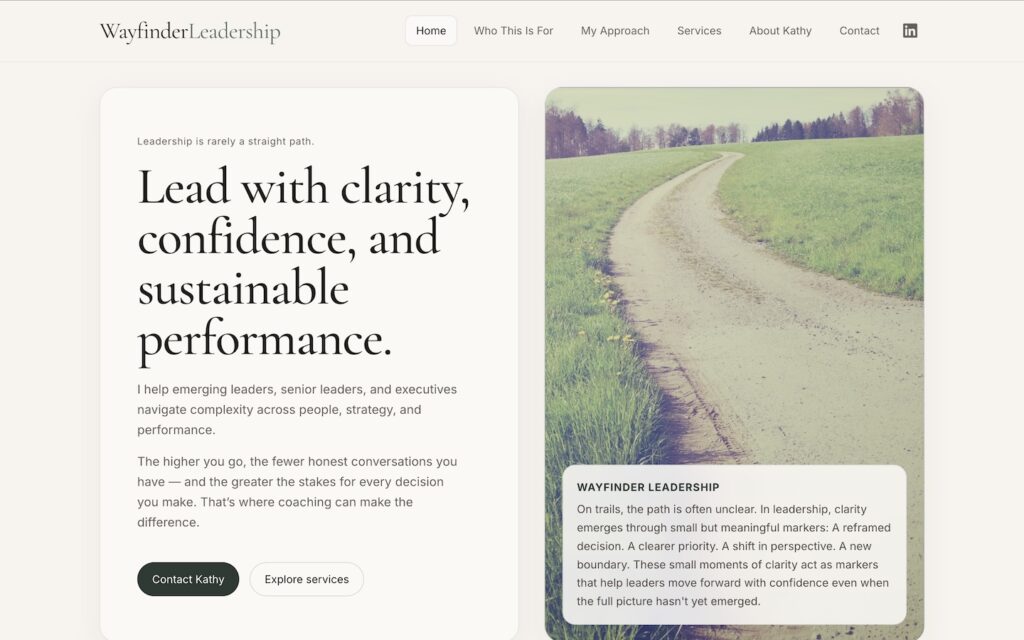
Consulting site built for clear positioning, strong presentation and simple inquiries.
Studio hub for Mac apps, games and experiments — polished, fast and easy to maintain.
Product marketing with clear distributor paths and quote-focused calls to action.
Consulting site built for clear positioning, strong presentation and simple inquiries.
Why go lightweight?
The hosting cost gets attention, but the bigger benefit is often simplicity. Fewer systems running in the background means fewer things to patch, update, break or babysit.
For an eligible lightweight site, the ongoing website hosting cost is $0 instead of another monthly or annual subscription.
Static pages are naturally lean. There is less processing between a visitor asking for a page and the page appearing.
No plugin update cycle and no CMS core to keep current just because the site exists.
Removing an unnecessary database, admin login and plugin stack also removes common places for traditional sites to run into trouble.
What you actually pay for
There is still a normal project cost to design and build the site. The difference is that once it is launched, you are not automatically signing up for another hosting subscription just to keep it online.
One-time project cost based on the scope, content and functionality.
For sites that fit the lightweight deployment model.
You still own and renew your normal domain name.
Request them as needed, or arrange ongoing help if you prefer.
Third-party tools can still have their own fees if the project needs them — for example paid booking platforms, premium email services or other external software. The $0 refers specifically to the website hosting layer.
Is it right for your business?
I would rather recommend the right build than force every project into the same package. This option is strongest when the site needs to communicate and convert more than it needs to behave like an application.
If the lightweight option is not the right fit, that is fine — MX Web Solutions also builds WordPress sites and custom web functionality. The point is to avoid paying for complexity when your project does not need it.
Still a full website project
The infrastructure is simpler. The design work is not. The site can still be custom, polished and built around the exact job your business needs it to do.
Layouts and visual choices shaped around your business rather than a generic hosting template.
Designed to work cleanly across desktop, tablet and mobile.
Help organizing the message so people can quickly understand what you do and what to do next.
Page titles, descriptions, semantic structure and technical basics built in from the start.
Forms and calls to action can still connect visitors to your business without needing WordPress.
Tracking, domain connection, deployment and final launch checks as required.
How the project works
The first question is not “which package do you want?” It is whether this kind of build actually matches the way your business will use the site.
We look at your content, how often it changes and what the website needs to do. If another approach is better, I will tell you.
Structure, content, visual direction, responsive design and development happen as one connected project.
The finished site is deployed, tested and handed off with the simplest sensible setup for future updates.
A few obvious questions
The part that changes is the infrastructure, not what your customers see.
Yes. Your existing domain can point to the new site, or a new domain can be set up as part of launch.
Yes. Contact and inquiry forms can be handled without turning the whole website into a traditional server-based build.
For occasional changes, just request an update when you need one. If your team needs to make frequent changes themselves, that is one sign a CMS such as WordPress may be the better fit.
The site is designed around hosting platforms that currently offer a suitable free tier for this kind of project. If the provider's pricing or requirements change in the future, the site can be moved to another compatible host rather than being locked to one proprietary system.
That is fine. A lightweight site can be expanded, rebuilt on a CMS or connected to more custom tools later if the business eventually outgrows the original setup.
Yes. Your existing domain can point to the new site, or a new domain can be set up as part of launch.
Yes. Contact and inquiry forms can be handled without turning the whole website into a traditional server-based build.
For occasional changes, just request an update when you need one. If your team needs to make frequent changes themselves, that is one sign a CMS such as WordPress may be the better fit.
The site is designed around hosting platforms that currently offer a suitable free tier for this kind of project. If the provider's pricing or requirements change in the future, the site can be moved to another compatible host rather than being locked to one proprietary system.
That is fine. A lightweight site can be expanded, rebuilt on a CMS or connected to more custom tools later if the business eventually outgrows the original setup.
Think your site might be a fit?